


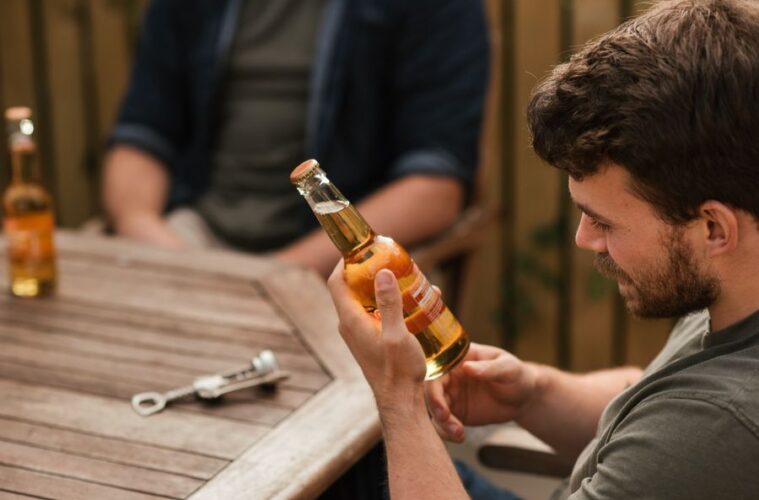
Rewind a few years and “I’m not drinking” meant a lukewarm orange juice and an early taxi home. Not anymore. The alcohol-free side of the shop has quietly become one of the most interesting parts of it, and the good stuff is genuinely good: crisp lagers with an actual head, grown-up sparkling wines and spirits built for mixing. Whether you are cutting back, taking a month off or simply fancy something different on a Friday, here is a friendly guide to what is out there and how to drink it well.
The main types, and what they are for
Alcohol-free beer. This is the category that has come furthest. Some bottles are brewed full strength and then gently dealcoholised; others are brewed cleverly to stay low from the start. The range runs from clean, crisp lagers to properly hoppy IPAs and even stouts, and served cold in a proper glass, they do everything a normal pint does, minus the morning after. One note: if you need to avoid alcohol completely, check the label carefully, because truly alcohol-free drinks and their lookalikes are not the same, and the difference only shows in the small print.
Alcohol-free wine. Made by gently removing the alcohol from wine, or blended from scratch, the best bottles genuinely shine at the table, and they are excellent in cooking too. If you are unsure where to start, try a sparkling one: the fizz carries the flavour, and it makes any Tuesday feel like an occasion. And if you fancy trying a proper month off, there is a calm, practical plan in this Dry January guide.
Alcohol-free spirits. Distilled with botanicals to echo the gins, rums and aperitifs they are modelled on, these are built for mixing rather than sipping neat. Treat them as the base of a drink: plenty of ice, a good tonic, a twist of citrus, and they earn their spot on the shelf.
Ferments and fizzes. Kombucha, sparkling teas and fruit shrubs bring natural complexity and a grown-up bite. Over ice with a slice of orange, they hold their own as a soft drink for anyone, any night, and the range of flavours keeps growing if you like your drinks with some character.
How to drink them well
The trick with all of these is to treat them like a real drink, because that is exactly the point. Chill them properly. Use the good glasses. Add ice, a twist of orange peel or a sprig of rosemary, and give them the same two minutes you would give a cocktail. There is a gentle, slow-living pleasure to the whole ritual, and if that appeals, the art of slow living makes a lovely companion read.
If you are the host, do your guests a favour and make the alcohol-free option look like it belongs. Put the bottles on the table next to the wine, mix a jug of something sparkling with fruit and mint, and nobody has to announce anything at all.
If you are cutting back for good
For plenty of people, alcohol-free drinks are a tool: a way to keep the ritual while dropping the alcohol. But if you find that cutting back is harder than a habit swap alone can fix, it is worth knowing there is more support out there, including options such as naltrexone, which you can ask your GP about. And if you drink heavily, have a chat with your GP before you cut down, because stopping abruptly can be risky without support.
Three easy drinks to make at home
- The Garden Spritz: half alcohol-free sparkling wine, half elderflower cordial, plenty of ice, a few mint leaves and a slice of lime.
- The Citrus Highball: an alcohol-free spirit, a good tonic, lots of ice and a wedge of pink grapefruit. Stir once, garnish generously.
- The Berry Smash: a handful of berries and two basil leaves muddled in the bottom of a glass, topped with soda water and a squeeze of lime.
None of these need anything fancier than a glass and a spoon, which is rather the point.
Start with one swap
You do not have to change your whole life on a Tuesday. Pick one occasion this week, try the alcohol-free version instead, and give it the glass and the garnish. The easy wins are the weeknights at home and the lunches where you are driving anyway; let the new drink be a small pleasure rather than a test. Then notice how the next morning feels when it is entirely your own. That is the whole secret, really: keep the ritual, lose the fog.
Disclaimer: This article is for general information only and does not constitute medical advice. If you are concerned about your alcohol consumption or are considering treatment, speak to your GP or a qualified healthcare professional. Suddenly stopping alcohol consumption can be dangerous for people who are alcohol-dependent.