


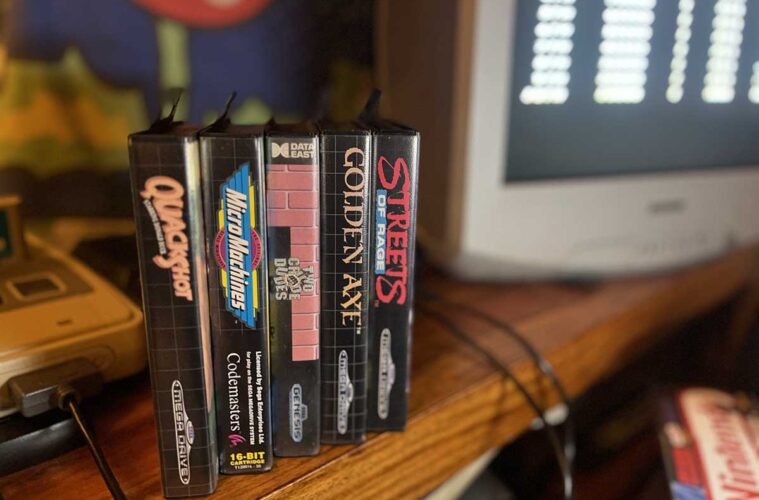
In a world that rarely slows down, more people are starting to look backwards.
From vinyl records and film cameras to classic consoles and physical media, nostalgia is no longer just a passing trend. In 2026, it became a genuine lifestyle shift.
But this is not simply about revisiting the past. It is about how people are choosing to live in the present.
A response to a constantly connected world
We are more connected than ever before, yet many people feel increasingly overwhelmed.
Notifications, endless scrolling, and the pressure to always be online have created a kind of digital fatigue. For many, nostalgia offers an alternative. It provides something slower, more tangible, and easier to engage with.
Whether it is putting on a record, watching a film on DVD, or playing a game on an older console, these experiences feel more deliberate. They demand attention in a way that modern digital habits often do not.
The comfort of familiarity
Nostalgia also brings comfort.
Revisiting things from the past can create a sense of stability, especially during uncertain times. Familiar sounds, visuals, and routines can reduce stress and improve mood.
It is one of the reasons why people return to childhood favourites, from music and films to games and hobbies they may not have thought about in years.
This is not about avoiding the present. It is about reconnecting with something that feels genuine.
The return of physical experiences
Another key part of this shift is the move back towards physical media.
Streaming has made everything accessible, but it has also made experiences feel temporary. Owning something, whether it is a record, a book, or a game, creates a different kind of connection.
People are starting to value:
- Ownership over access
- Quality over quantity
- Experience over convenience
This is reflected in the growing interest in collecting, from vinyl and VHS to retro gaming consoles and original accessories.
From hobby to lifestyle
What often begins as a small interest can quickly grow into something more.
People are building spaces around their interests, creating environments that reflect their personality and taste. This might be a dedicated shelf, a curated collection, or a full room designed around a particular theme.
Nostalgia is becoming part of how people express themselves, not just something they occasionally revisit.
A growing community
This shift has also led to the growth of platforms like ManCave Mania, a UK-based retro gaming community focused on classic consoles, collectables, and nostalgia-driven experiences.
Communities like this bring together people who share an appreciation for physical media and the stories behind it. It is not just about owning items, but about understanding their place in culture and why they still matter today.
Why it is not going away
Nostalgia is often seen as a cycle, something that comes and goes. But what is happening now feels more permanent.
As digital life becomes more demanding, the appeal of slower, more intentional experiences continues to grow. People are not just revisiting the past. They are reshaping how they spend their time.
Final thought
Nostalgia in 2026 is not about looking back for the sake of it.
It is about finding balance in a fast-moving world.
And for many, that balance is found in the things that once felt simple but now feel more valuable than ever.